
How We Innovate
How does Amycel develop new mushroom strains?
Every strain, substrate, and supplement Amycel releases goes through the same four-step process. No exceptions.
-
Identify the opportunity
It starts with a grower problem. Yield, harvest speed, labor, disease pressure. If commercial growers are struggling with it, we want to solve it.
-
Research and develop
Our team uses traditional breeding methods, molecular tools, and scientific analysis to develop and refine solutions. Whole genome sequencing and proprietary genetic markers help us target specific traits precisely.
-
Validate performance
32 dedicated test rooms. Controlled trials that mirror real grow room conditions. Nothing goes to market until it performs where it counts.
-
Support commercial use
Once a product is validated and shipped, our team stays involved. Field data, technical support, and ongoing monitoring are part of the process, not an afterthought.
New Strain Development
What makes Amycel's genetics program different?
Amycel has been breeding commercial mushroom strains since 1983. Heirloom, Brawn, Delta, Phoenixx, Triple X, and Exxcalibur all came from our research program. So will what comes next.
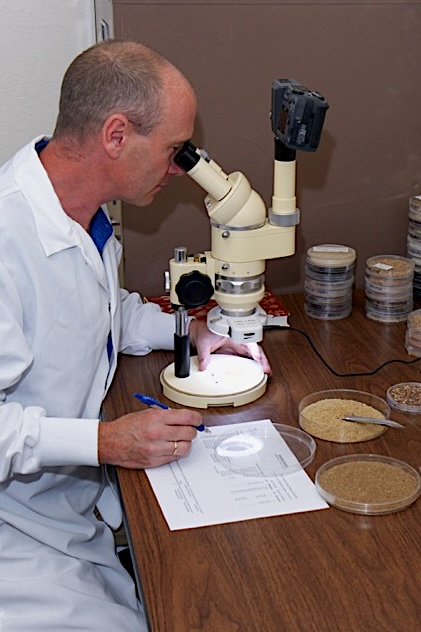
The science runs deep. We maintain a proprietary genetic library built over four decades. Our mother culture is stored in liquid nitrogen to preserve genetic stability across decades of production. Traditional breeding is combined with DNA sequencing and molecular analysis to target specific traits with precision.
That depth is what produced the most widely grown commercial brown mushroom strains available. And it’s what keeps producing new genetics that solve real problems on real farms.
- Proprietary genetic library built over 40 years
- DNA sequencing and molecular analysis for precision trait targeting
- Mother culture maintained in liquid nitrogen for long-term genetic stability
- New strains developed for yield, quality, and market demands